1. Signaling Pathways
  2. Apoptosis
    Metabolic Enzyme/Protease
  3. Glutathione Peroxidase

Glutathione Peroxidase

Glutathione peroxidases (GPx) are a family of enzymes with the ability to reduce organic and inorganic hydroperoxides to the corresponding alcohols using glutathione or thioredoxin as an electron donor. These enzymes promote hydrogen peroxide metabolism and protect cell membrane structure and function from oxidative damage. Dysregulated GPx expression is connected with severe pathologies, including obesity and diabetes. GPx1 has been reported to be involved in both pro- and anticancer effects in different tumor models.

In mammals, the GPxs family consists of eight members (GPx1-GPx8) identified so far; five of them (GPx1-GPx4 and GPx6) contain selenocysteine in the catalytic center and the other three are cysteine-containing proteins. GPx1 is one of the most critical members of the GPxs family that catalytically reduces hydrogen peroxide to produce water. The function of GPx3 is to scavenge H2O2 and lipoperoxides in the plasma to reduce systematic oxidative stress and to maintain the bioavailability of vascular nitric oxide. Gpx4 is an essential mammalian glutathione peroxidase, which protects cells against detrimental lipid peroxidation and governs a novel form of regulated necrotic cell death, called ferroptosis.

Cat. No. Product Name Effect Purity Chemical Structure
  • HY-W015600S
    2-Acetamidophenol-d3
    99.48%
    2-Acetamidophenol-d3 (Orthocetamol-d3) is the deuterium labeled 2-Acetamidophenol (HY-W015600). 2-Acetamidophenol (Orthocetamol) is a regulator that targets ferroptosis and glutathione metabolic pathways, is the ortho-regioisomer of Paracetamol (HY-66005). 2-Acetamidophenol has anti-atherosclerotic activity, and inhibiting total cholesterol (TC) and triglyceride (TG) in a zebrafish hyperlipidemia model with IC50s for 30 μM and 40 μM, respectively. 2-Acetamidophenol upregulates the expression of glutathione synthesis-related genes (such as GCLC, GCLM, GSS) and iron ion transport genes (such as FPN1, FTH), reduces the accumulation of intracellular reactive oxygen species (ROS) and ferrous ions (Fe2+), and enhances the activity of glutathione peroxidase GPX4, thereby inhibiting macrophage phagocytosis of oxidized low-density lipoprotein (ox-LDL) and foam cell formation.
    2-Acetamidophenol-d<sub>3</sub>
  • HY-157762
    GPX4-IN-9
    Inhibitor 99.18%
    GPX4-IN-9 (Compound A16) is a glutathione peroxidase 4 (GPX4) inhibitor that specifically targets GPX4 under both in vitro and in vivo conditions, inducing ferroptosis. GPX4-IN-9 exhibits cytotoxicity against pancreatic cancer cells and can be used in cancer research.
    GPX4-IN-9
  • HY-W996116
    AZM198
    Inhibitor 98.40%
    AZM198 is an orally active myeloperoxidase (MPO) inhibitor. AZM198 irreversibly inactivates MPO (IC50=0.015 μM) via covalent binding to the heme prosthetic group, preferentially targets extracellular MPO activity, and reduces neutrophil extracellular trap formation, reactive oxygen species production and degranulation. AZM198 increases the fibrous cap thickness of atherosclerotic plaques, reduces lesion area, ameliorates hepatic steatosis and fibrosis in non-alcoholic steatohepatitis, and alleviates proteinuria and inflammatory infiltration associated with glomerulonephritis. AZM198 also decreases circulating levels of high-sensitivity Cardiac Troponin I and IL-1β, and mitigates endothelial cell injury. Therefore, AZM198 is suitable for research on various MPO-related diseases, including atherosclerotic cardiovascular disease, myocardial infarction, ischemic stroke, non-alcoholic steatohepatitis and crescentic glomerulonephritis.
    AZM198
  • HY-N4280
    7,8-Dimethoxycoumarin
    Inhibitor 99.75%
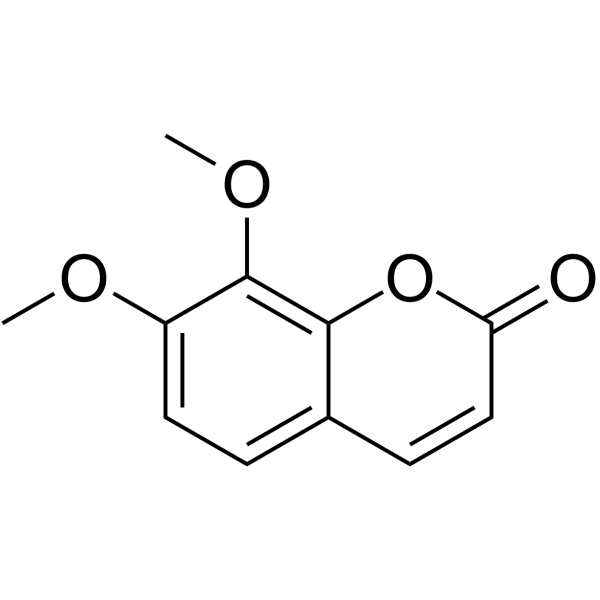
    7,8-Dimethoxycoumarin is a coumarin compound derived from Artemisia caruifolia with oral activity. 7,8-Dimethoxycoumarin inhibits mitochondrial permeability transition pore and H+/K+-ATPase, and exhibits antioxidant, anti-inflammatory, renoprotective, neuroprotective and gastroprotective effects. 7,8-Dimethoxycoumarin reduces lipid peroxidation (TBARS), increases GSH levels, inhibits myeloperoxidase (MPO) activity, and regulates the expression of inflammatory factors by inhibiting the NF‑κB and MAPK pathways. 7,8-Dimethoxycoumarin ameliorates gastric mucosal injury, alleviates renal tissue lesions and relieves neuropathic pain. 7,8-Dimethoxycoumarin can be used in studies related to acute renal failure, trigeminal neuralgia and gastritis.
    7,8-Dimethoxycoumarin
  • HY-N3097
    Pellitorine
    Agonist 99.84%
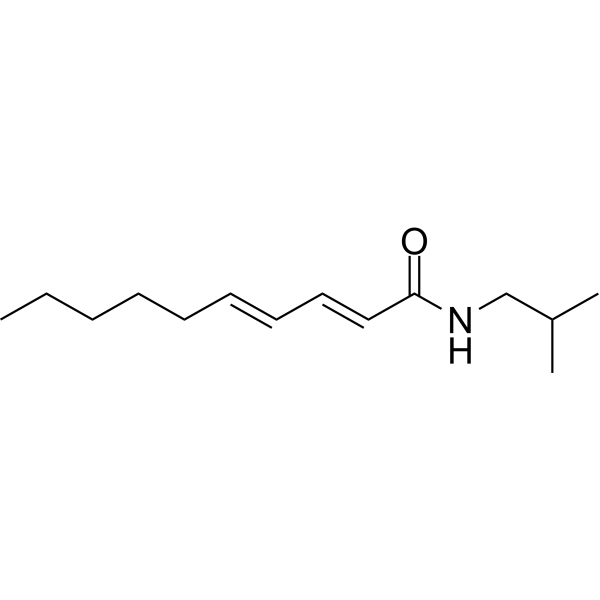
    Pellitorine is a bioactive natural amide compound. Pellitorine can competitively antagonize the activation of TRPV1 by Capsaicin (HY-10448), thereby reducing pain signal transmission. Pellitorine improves cognitive dysfunction by upregulating the BDNF-ERK1/2-CREB and Nrf2-HO-1 pathways. Pellitorine exerts anti-inflammatory and anti-sepsis effects by inhibiting the release of high mobility group protein B1 (HMGB1) and the expression of RAGE/TLR4. Pellitorine exerts its antithrombotic effect by prolonging the clotting time, inhibiting the activity of clotting factors and thrombin. Pellitorine inhibits lipid peroxidation and resists ferroptosis by upregulating GPX4 and DHODH. Pellitorine kills Aedes aegypti mosquito larvae by inhibiting V-type H⁺-ATPase and aquaporin 4 (AaAQP4). Pellitorine exhibits anti-cancer activity (e.g., leukemia and breast cancer) and has inhibitory effects on certain bacteria.
    Pellitorine
  • HY-174086
    PROTAC GPX4 degrader-4
    Degrader 99.68%
    PROTAC GPX4 degrader-4 is a GPX4 PROTAC degrader (DC50: 5.32 nM). PROTAC GPX4 degrader-4 inhibits the activity of RT4, T24, and J82 cancer cells (IC50 values are 0.09, 2.97, and 7.58 μM, respectively). PROTAC GPX4 degrader-4 increases lipid ROS levels and induces ferroptosis in T24 and RT4 cells. PROTAC GPX4 degrader-4 has antitumor activity in T24 tumor-bearing BALB/c nude mouse model. PROTAC GPX4 degrader-4 can be used for bladder cancer research. (Pink: target protein ligand (HY-N0193); blue: E3 ligase ligand (HY-1035960); black: linker (HY-W013907); E3 ligase ligand + linker (HY-174087)).
    PROTAC GPX4 degrader-4
  • HY-W013507R
    (rac)-Methyl jasmonate (Standard)
    Inhibitor
    (rac)-Methyl jasmonate (Standard) is the analytical standard of Methyl jasmonate. This product is intended for research and analytical applications. (rac)-Methyl jasmonate is the racemate of Methyl jasmonate (HY-135663). Methyl jasmonate is a phytohormone that regulates the defense response of plants under biotic and biotic stress through jasmonate signaling pathway. Methyl jasmonate inhibits the activation of NF-κB signaling pathway. Methyl jasmonate can promote the mitochondrial ROS production, but also scavenges free radicals and reduces the oxidative stress. Methyl jasmonate exhibits anti-inflammatory, antitumor, anticonvulsant, antinociceptive and sedative activities.
    (rac)-Methyl jasmonate (Standard)
  • HY-151212
    BCP-T.A
    ≥99.0%
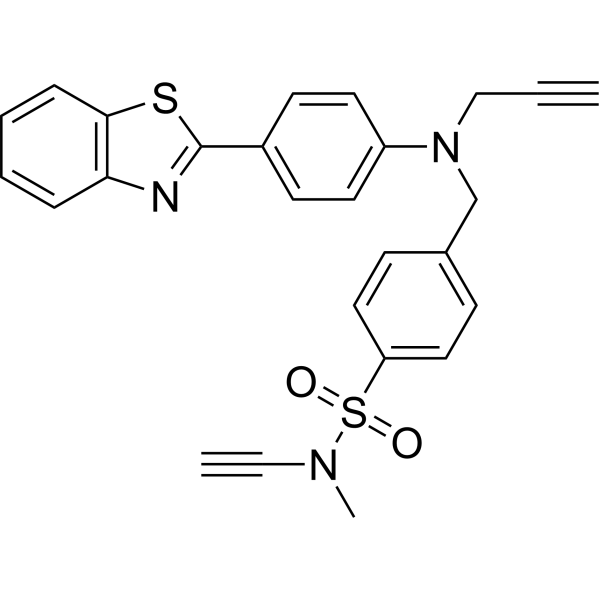
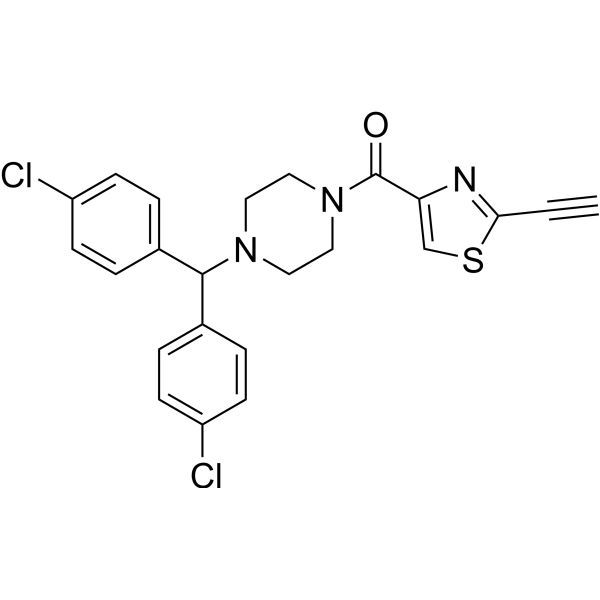
    BCP-T.A, a tunable heterocyclic electrophile, is a potent ferroptosis inducer by binding to GPX4. BCP-T.A is a click chemistry reagent, it contains an Alkyne group and can undergo copper-catalyzed azide-alkyne cycloaddition (CuAAc) with molecules containing Azide groups.
    BCP-T.A
  • HY-111354
    Tinoridine hydrochloride
    Activator 99.95%
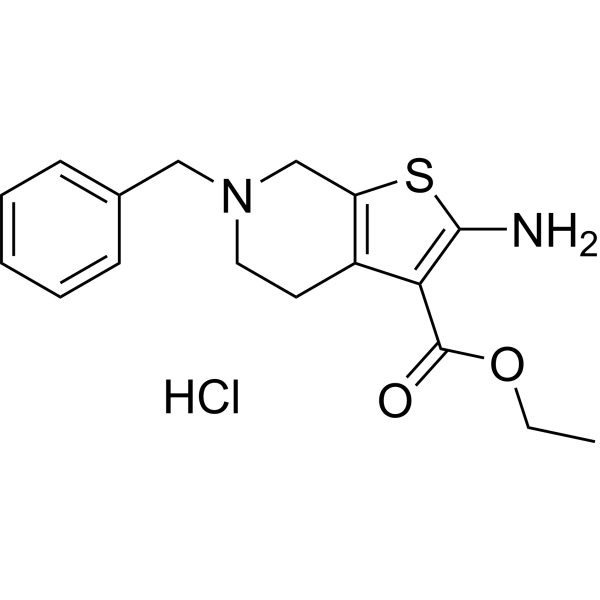
    Tinoridine hydrochloride is a nonsteroidal anti-inflammatory agent and also has potent radical scavenger and antiperoxidative activity.
    Tinoridine hydrochloride
  • HY-139915
    MPO-IN-1
    Inhibitor 98.07%
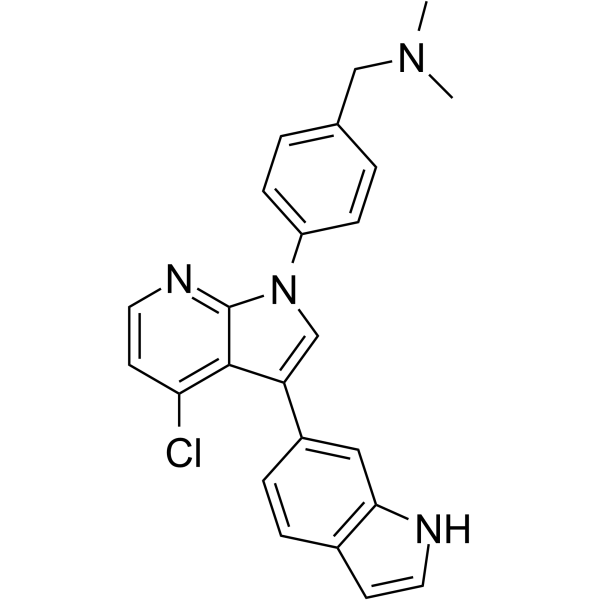
    MPO-IN-1 is a potent, orally active, and irreversible indole-containing inhibitor of myeloperoxidase (MPO). MPO-IN-1 has IC50s of 2.6 μM and 5.3 μM for MPO and thyroid peroxidase (TPO), respectively. MPO-IN-1 inhibits MPO activity in an acute mouse model of inflammation.
    MPO-IN-1
  • HY-113167
    2-Phosphoglyceric acid
    Activator
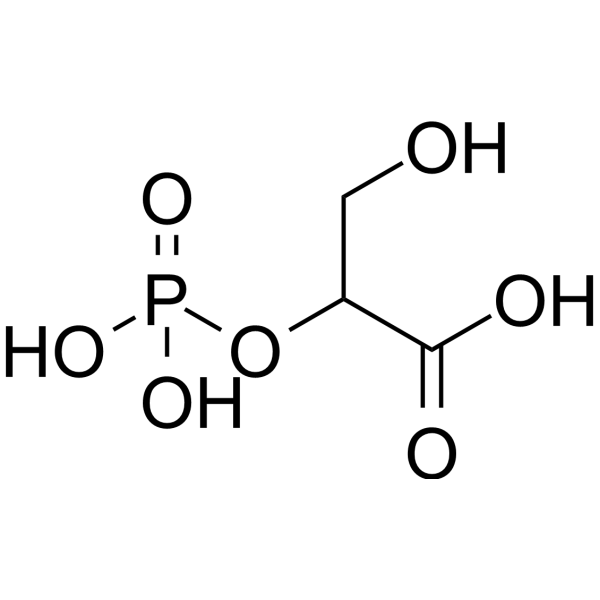
    2-Phosphoglyceric acid (DL-2-phosphoglyceric acid) is a glycolytic substrate that is catalyzed by enolase to form phosphoenolpyruvate ester (PEP). 2-Phosphoglyceric acid inhibits the ferroptosis pathway by down-regulating ACSL4 and up-regulating GPX4, and has significant neuroprotective effects. 2-Phosphoglyceric acid reflects the overall metabolic state and flux of the cell.
    2-Phosphoglyceric acid
  • HY-176557
    NCI677397
    Inhibitor
    NCI677397 is a USP24 inhibitor. NCI677397 increases lipid ROS, activates cholesterol and fatty acid biosynthesis, degrades ABC transporters, GPX4 and DHFR through the autophagy pathway, decreases the level of P-gp and ultimately leads to ferroptosis in drug-resistant cancer cells. NCI677397 can be used for the study of lung caner and brain cancer.
    NCI677397
  • HY-175615
    RSL3-NH2
    Inhibitor
    RSL3-NH2 is a GPX4 inhibitor and ferroptosis inducer. RSL3-NH2 triggers the iron-dependent cell death pathway associated with lipid peroxidation by inhibiting GPX4 activity. RSL3-NH2 exhibits significant cytotoxicity against colorectal cancer cells and effectively induces their ferroptosis. RSL3-NH2 can serve as a ADC payload for synthesizing antibody-drug conjugates (ADC) and be used in colorectal cancer-related research.
    RSL3-NH2
  • HY-177204
    DSPE-PEG2000-WLSEAGPVVTVRALRGTGSW
    Activator
    DSPE-PEG2000-WLSEAGPVVTVRALRGTGSW is a polypeptide targeting tenascin-X (Tenascin-X) that can be conjugated with liposomes and exosomes. DSPE-PEG2000-WLSEAGPVVTVRALRGTGSW specifically binds to Tenascin-X on the surface of cardiomyocytes, mediates receptor-dependent uptake of nanocarriers, enhances targeted drug delivery of cargo to cardiomyocytes, and increases drug accumulation in cardiac tissue. DSPE-PEG2000-WLSEAGPVVTVRALRGTGSW protects cardiomyocytes treated with LPS, alleviates oxidative stress, repairs mitochondrial function, inhibits ferroptosis and apoptosis, and downregulates the secretion of pro-inflammatory cytokines at the same time. DSPE-PEG2000-WLSEAGPVVTVRALRGTGSW improves cardiac injury and pathological morphology in mice with sepsis-induced cardiomyopathy, restores GPX4 expression, and promotes the internalization of cardiomyocyte-derived exosomes, making it suitable for related research on sepsis-induced cardiomyopathy, myocardial ischemia-reperfusion injury, and other conditions.
    DSPE-PEG2000-WLSEAGPVVTVRALRGTGSW
  • HY-159990
    GPX4-IN-15
    Inhibitor 98.79%
    GPX4-IN-15 (Compound C1) is an inhibitor for GPX4, that inhibits 19.8% GPX4 at 1 μM. GPX4-IN-15 inhibits the proliferation of cancer cell MDA-MB-468, BT-549 and MDA-MB-231 with IC50 of 0.86, 0.96 and 0.48 μM.
    GPX4-IN-15
  • HY-176758
    GPX4-IN-17
    Inhibitor 98.1%
    GPX4-IN-17 (Compound 9i) is an inhibitor of GPX4 with potent cytotoxicity (IC50 = 0.3 nM). GPX4-IN-17 shows strong binding affinity against GPX4 (KD = 20.4 nM). GPX4-IN-17 inhibits tumor growth in the xenograft tumor mouse model without detectable cytotoxicity. GPX4-IN-17 can enhance cancer chemotherapy and overcome tumor resistance. GPX4-IN-17 can be studied in antitumor reseach.
    GPX4-IN-17
  • HY-120253
    Spirotetramat
    Modulator
    Spirotetramat (BY-108330) is an orally active Insecticide and lipid biosynthesis inhibitor. Spirotetramat regulates the activities of superoxide dismutase (SOD) and glutathione peroxidase (GSH-Px), with short-term exposure increasing their activities and long-term exposure altering their activities. Spirotetramat induces the activity and mRNA expression of carboxylesterase (CarE). Spirotetramat induces oxidative stress and lipid peroxidation in tadpoles. Spirotetramat is toxic to amphibian tadpoles and exhibits sublethal/non-lethal toxicity to amphibians. Spirotetramat causes death in immature psyllids, aphids, scale insects, mealybugs, whiteflies and thrips, and shows a high lethal rate against Cacopsylla pyri nymphs. Spirotetramat reduces the fecundity of Aphis gossypii. Spirotetramat induces tolerance in the offspring of exposed Aphis gossypii, and acts on Myzus persicae, Bemisia tabaci and Tetranychus urticae.
    Spirotetramat
  • HY-W015600R
    2-Acetamidophenol (Standard)
    Activator
    2-Acetamidophenol (Standard) is the analytical standard of 2-Acetamidophenol. This product is intended for research and analytical applications. 2-Acetamidophenol (Orthocetamol) is a regulator that targets ferroptosis and glutathione metabolic pathways, is the ortho-regioisomer of Paracetamol (HY-66005). 2-Acetamidophenol has anti-atherosclerotic activity, and inhibiting total cholesterol (TC) and triglyceride (TG) in a zebrafish hyperlipidemia model with IC50s for 30 μM and 40 μM, respectively. 2-Acetamidophenol upregulates the expression of glutathione synthesis-related genes (such as GCLC, GCLM, GSS) and iron ion transport genes (such as FPN1, FTH), reduces the accumulation of intracellular reactive oxygen species (ROS) and ferrous ions (Fe2+), and enhances the activity of glutathione peroxidase GPX4, thereby inhibiting macrophage phagocytosis of oxidized low-density lipoprotein (ox-LDL) and foam cell formation.
    2-Acetamidophenol (Standard)
  • HY-175698
    Ferroptosis inducer-9
    Inhibitor
    Ferroptosis inducer-9 is a ferroptosis inducer and colchicine site tubulin polymerization inhibitor. Ferroptosis inducer-9 inhibits MCF-7 cell growth with an IC50 of 14 nM and inhibits [3H]colchicine binding. Ferroptosis inducer-9 reduces expression of GPX4 and FTH, increases COX2 and ACSL4, lowers GSH, NADP+, and NADPH levels, increases LPO, MDA, and Fe(II) levels, and decreases SOD concentrations. Ferroptosis inducer-9 demonstrates significant anti-tumor efficacy in HCT116 CRC xenograft model. Ferroptosis inducer-9 can be used for the study of triple negative breast cancer (TNBC) and colorectal cancer (CRC).
    Ferroptosis inducer-9
  • HY-181665
    Ferroptosis-IN-23
    Activator
    Ferroptosis-IN-23 is an inhibitor of ferroptosis. Ferroptosis-IN-23 exerts a synergistic effect by simultaneously activating Steap4 and glutathione peroxidase 4 (GPX4), thereby maintaining iron metabolism homeostasis. Ferroptosis-IN-23 reverses neuronal ferroptosis and inhibits lipid ROS accumulation in cells. Ferroptosis-IN-23 inhibits ferroptosis in zebrafish, alleviates neuronal apoptosis, ROS accumulation, and dopaminergic neuron damage in a zebrafish model of Parkinson's disease. Ferroptosis-IN-23 can be used for research on Parkinson's disease.
    Ferroptosis-IN-23
Cat. No. Product Name / Synonyms Application Reactivity

Your Search Returned No Results.

Sorry. There is currently no product that acts on isoform together.

Please try each isoform separately.